
Description
Embodying Black Religions in Africa and Its Diasporas
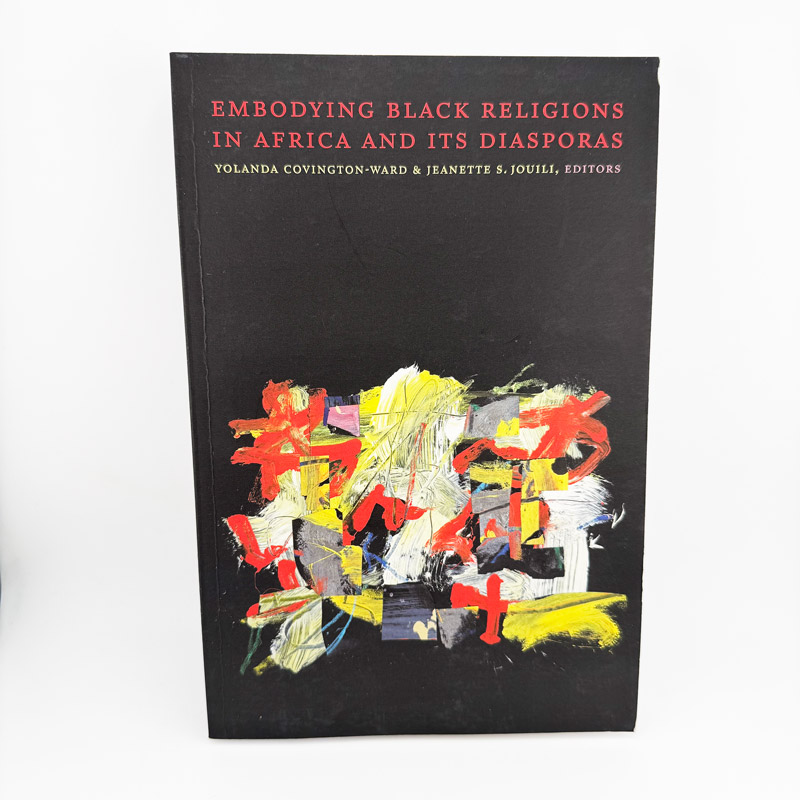
Embodying Black Religions in Africa and Its Diasporas is a collection of scholarly essays examining the ways religion is experienced, expressed and communicated through the body across Africa and the African diaspora.
Rather than concentrating primarily on religious texts, doctrines or systems of belief, the contributors turn their attention to embodied spiritual practice: what people physically do as part of religion. Movement, clothing, dance, possession, trembling, performance, music and ritual become ways of expressing spiritual knowledge, identity, belonging and relationships with the divine.
The book brings together examples from different religions, countries and diasporic communities to examine how these physical expressions of spirituality also intersect with race, gender, politics, power, migration and cultural identity.
Individual essays explore subjects including ritual dance among Mama Tchamba devotees in Togo, cloth coverings within Islamic practice in northern Nigeria, religious and racial identity among Brazilian Neo-Pentecostals, and the social and ethical messages found within the work of Black Muslim hip-hop artists in Britain.
The collection also looks at Ifá practitioners from Mexico, Colombia, Venezuela, Trinidad and the United States, examining how practitioners across different countries can become connected through a shared spiritual identity and participation in an African-derived religious tradition.
Across these very different examples, the body remains central. Spirit possession, involuntary movement, dance, dress, gesture and performance are considered not simply as outward expressions of an internal belief, but as ways through which religious knowledge can itself be experienced, understood and transmitted.
The contributors also consider how embodied religious practices can shape healing, resistance, community, national and ethnic belonging, sexuality, gender and political or economic power. In doing so, the collection asks readers to think beyond the idea that religion is primarily something people believe and instead consider the importance of what religion is when it is lived and performed through the body.
Who Is This Book For?
Embodying Black Religions in Africa and Its Diasporas is an academic collection and will particularly suit readers wanting to study African and African diasporic religions beyond introductory guides to individual traditions.
It will be of interest to those exploring:
- African and African diasporic religions
- Ifá and African-derived spiritual traditions
- Spirit possession and trance
- Ritual dance and performance
- Islam and Christianity within Black communities
- Race, religion and cultural identity
- The body within spiritual and religious practice
- Migration and diasporic religious communities
- Gender, sexuality and religion
- Anthropology and religious studies
For practitioners, it also offers another way of thinking about spiritual practice: examining how movement, clothing, music, ritual, gesture and bodily experience can carry religious knowledge, rather than treating spirituality as something that exists solely within thought or belief.
Part of the Religious Cultures of African and African Diaspora People series, this is a substantial text for readers looking for deeper academic engagement with the diversity of Black religious experience across Africa and its diasporas.


